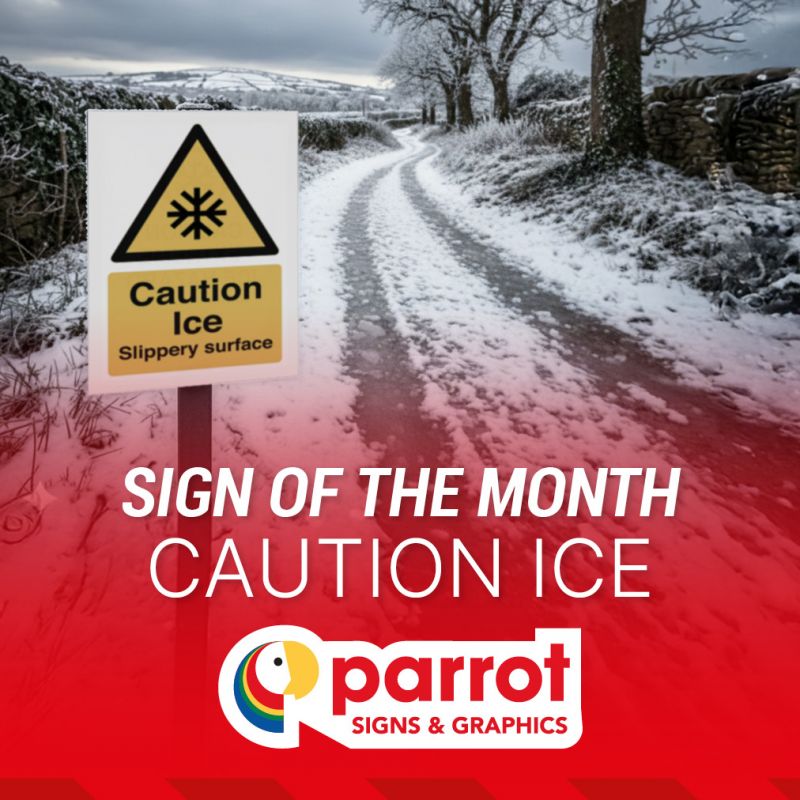
As winter approaches, icy conditions pose serious risks to workplace safety across the UK. From slippery car parks to frozen walkways, snow and ice can lead to injuries, operational disruption, and legal consequences. Employers must understand their responsibilities under UK law and take proactive steps to protect staff, contractors, and visitors.
Legal Duties in Adverse Weather
Under the Health and Safety at Work etc. Act 1974, employers are legally obliged to ensure, “so far as is reasonably practicable,” the health, safety, and welfare of employees at work. This includes maintaining safe access and egress to the workplace, even in adverse weather.
The Management of Health and Safety at Work Regulations 1999 further require employers to assess seasonal risks and implement control measures.
The Occupiers’ Liability Act 1957 also applies to visitors, placing a duty of care on those who control premises. If someone slips on untreated ice in a car park or entranceway, the business may be held liable if it failed to take reasonable precautions.
Risks of Ice and Snow in the Workplace
Icy conditions can lead to:
-
Slips, trips, and falls: The most common cause of workplace injury in winter. HSE data shows slips and trips account for over 30% of non-fatal injuries annually.
-
Vehicle accidents: Especially in logistics, delivery, and outdoor work settings.
-
Cold stress and hypothermia: For outdoor workers or those in poorly insulated environments.
-
Reduced visibility and mobility: Affecting machinery operation and emergency evacuation.
Practical Measures for Winter Safety in the workplace
To meet legal obligations and reduce risk, businesses should implement a winter safety plan that includes:
-
Gritting and snow clearance: Apply grit before ice forms, prioritising high-traffic areas like car parks, entrances, and walkways.
-
Safety signage: Use clear, weatherproof safety signs to warn of icy conditions. Signage should be visible, well-positioned, and used alongside physical mitigation, not as a substitute.
-
Footwear policies: Encourage or provide slip-resistant footwear for outdoor staff.
-
Heating and shelter: Ensure indoor areas are adequately heated and offer warm-up facilities for outdoor workers.
-
Flexible working arrangements: Allow remote work or staggered hours during severe weather.
-
Risk assessments and training: Update assessments to reflect seasonal hazards and train staff on winter protocols.
Gritting and Liability: Myth vs Reality
A common misconception is that gritting icy surfaces could expose a business to liability if someone still slips. In reality, UK law encourages proactive risk management. The Health and Safety Executive (HSE) and Government’s Snow Code both advise that gritting is a reasonable and responsible action.
To protect your business:
-
Document gritting schedules and weather forecasts.
-
Use appropriate grit or salt, and reapply as needed.
-
Combine gritting with signage to warn of residual hazards.
-
Avoid over-reliance on signs alone; they do not discharge your duty of care.
What type of safety signs can be used in icy conditions?
When winter sets in, one of the simplest yet most effective ways to keep people safe is through clear signage. The familiar Caution Ice Slippery Surface sign is often the first line of defence, alerting staff and visitors to tread carefully and avoid unnecessary slips. It’s a small reminder that a patch of ice can quickly turn into a workplace hazard.
For areas where water has frozen over, the Danger Thin Ice sign becomes especially important. A frozen pond or reservoir may look inviting, but appearances can be deceptive. This sign acts as a firm deterrent, reminding everyone that what seems like solid ground could give way without warning.
Of course, signs are only effective if they’re used thoughtfully. Leaving them out all year round risks turning them into background noise. Instead, workplaces often opt for flexible solutions: tethering a sign to a traffic cone that can be moved as conditions change, slotting it into a stanchion, or using a fold-out A-frame that can be placed exactly where it’s needed. The goal is to make the warning visible, timely, and impossible to ignore.
However, safety signs can not be used alone. They must be used in conjunction with other measures, such as gritting and salting.
Safety signs for icy weather
Icy weather is more than a seasonal inconvenience; it’s a compliance challenge and a safety risk. Employers must act decisively to reduce hazards, fulfil their legal duties, and maintain a safe working environment. Gritting, signage, and clear protocols aren’t just good practice, they’re legal safeguards.