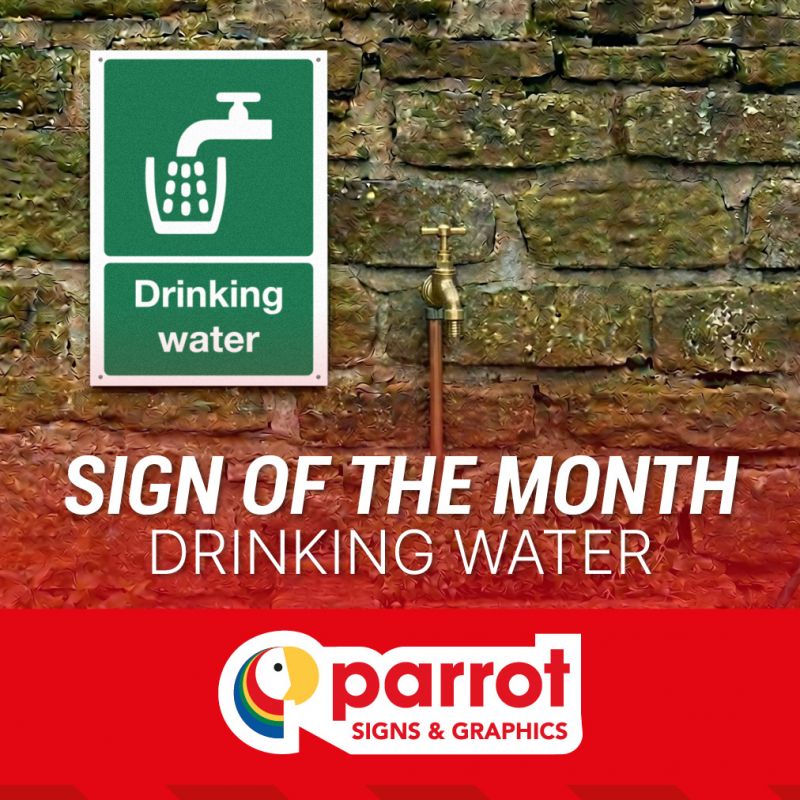
As spring arrives and the weather begins to improve, campsites across the UK prepare to welcome a new season of visitors. From family camping trips to weekend getaways in caravans and motorhomes, millions of people head outdoors each year to enjoy the countryside. With campsites reopening, maintaining clear and effective signage becomes an important part of preparing facilities for guests.
That’s where the humble Drinking Water sign plays an essential role.
In environments where multiple water points may exist for different purposes, safety signs such as a Drinking Water sign help visitors quickly identify which taps are safe to use for drinking or filling bottles. Without clear signage, there is a risk that campers may mistakenly use water intended for cleaning equipment, washing vehicles, or disposing of waste water.
Why Drinking Water Signs Matter
Camping environments often have several types of water access points located close together. A campsite might provide a drinking water tap near pitches, another tap for rinsing muddy boots or cooking equipment, and separate facilities for grey water disposal from caravans and motorhomes.
A clearly displayed Drinking Water sign removes uncertainty and encourages the correct behaviour: using only designated taps for drinking water. This is particularly important for families, walkers, cyclists, and touring campers who may rely on campsite facilities to refill bottles or containers throughout their stay.
Clear signage supports both hygiene and safety. By directing visitors to the correct water supply, campsite operators can reduce the risk of contamination and avoid confusion for new guests arriving on site. It also helps reinforce the professional standards of a well-managed facility.
A Growing Camping Sector in the UK
The importance of clear signage becomes even more evident when you consider the scale of the camping industry in the UK. According to the UK Caravan and Camping Alliance, there were 6,169 holiday parks and campsites operating across the UK in 2023, offering more than 439,000 pitches for tents, caravans, and motorhomes.
Camping remains a popular holiday choice. Research suggests that over 10 million people in the UK plan to go camping during the summer months, reflecting the continued popularity of domestic “staycations”.
With such a large number of visitors moving through campsite facilities every season, clear signage helps ensure that everyone can easily understand how to use the site safely and responsibly.
Where You Might See Drinking Water Signs
Drinking Water signs are commonly installed in a variety of locations around campsites and outdoor recreational areas, including:
- Communal tap points
- Service areas for caravans and motorhomes
- Outdoor kitchens or washing-up areas
- Sports grounds and recreation fields
- Parks and public outdoor facilities
In each of these locations, the sign acts as a quick visual cue that the water source is safe for drinking.
Other Important Campsite Signs
While the Drinking Water sign helps visitors find safe water supplies, several other signs are commonly used around campsites to keep facilities organised and safe.
Clear toilet signs help guests locate essential facilities quickly, especially on larger sites. Laundry room signs guide visitors to washing facilities, which are particularly useful for longer stays. Chemical toilet disposal signs ensure that toilet waste water from caravans and motorhomes is disposed of in the correct place rather than poured into general drains.
You will also often see No Fires signs on campsites, particularly during dry weather, to reduce the risk of accidental wildfires and protect surrounding woodland and grassland.
Small Sign, Big Impact
The Drinking Water sign might be simple, but it performs an important role. By clearly identifying safe drinking water points, it supports good hygiene, prevents confusion, and helps campsite operators provide a safer and more organised environment for visitors.
As campsites across the UK prepare for another busy season, ensuring that the right signs are in place can make a real difference to the overall visitor experience.